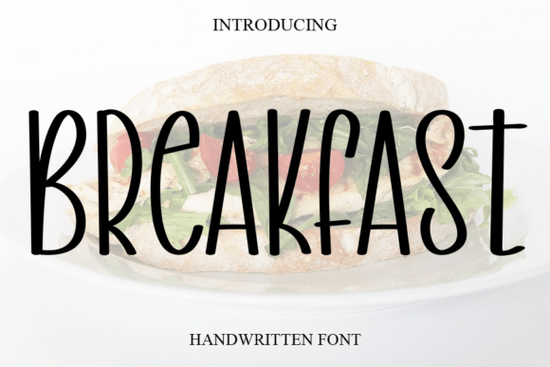
If you're looking for a friendly, handwritten script that feels warm and personal like something scribbled on a coffee-stained napkin or written inside a wedding invitation Breakfast Font is worth your attention. It’s not overly formal, but it’s never sloppy either. The strokes are soft and slightly bouncy, with gentle curves and natural-looking variation in line weight. That makes it especially well-suited for projects where you want elegance without stiffness think greeting cards, boutique branding, or small-batch product labels.
When does Breakfast Font work best?
This font shines in contexts where personality matters more than precision. Because it’s a cursive handwritten font, it pairs naturally with organic textures, watercolor backgrounds, or minimalist layouts. You’ll often see it used for:
- Wedding stationery (menus, save-the-dates, signage)
- Small business logos especially for bakeries, florists, or lifestyle brands
- Greeting cards and printable planners
- Fashion lookbooks and Instagram story text overlays
- Print-on-demand designs that lean into cozy, romantic, or nostalgic vibes
It’s not meant for long paragraphs or dense body copy it’s a display font, designed to catch the eye and set a mood. Think of it as the visual equivalent of a thoughtful handwritten note: intentional, warm, and quietly confident.
How does it compare to other popular script fonts?
Like Relationship Font, Breakfast has that relaxed, human rhythm but with less contrast between thick and thin strokes, so it reads a little softer at smaller sizes. If you’ve used The Sunnyside Font, you’ll notice Breakfast has fewer sharp angles and a gentler baseline, making it feel more “at ease.” And while Bellaboo Font leans into playful bounce, Breakfast keeps things grounded ideal when you want charm without whimsy.
There’s also a nice sibling energy between Breakfast Font and Coffee Font Extras. They weren’t designed as a matching pair, but their shared warmth and casual flow mean they sit comfortably together say, using Breakfast for a headline and Coffee Extras for a short subline or decorative flourish.
What’s included and what you can actually do with it
The package includes standard OpenType features like ligatures and alternate characters, plus both uppercase and lowercase letters, numerals, punctuation, and basic multilingual support (Western European languages). No extra downloads or software needed you can use it right away in Canva, Adobe Illustrator, Procreate, or even Cricut Design Space.
Designers often layer it over subtle grain textures or pair it with a clean sans-serif (like Montserrat or Poppins) for contrast. For print-on-demand sellers, it works especially well on mugs, tote bags, and art prints where customers respond to hand-crafted authenticity not polished perfection.
Real-world usage tips
Try these practical tweaks to get the most out of Breakfast Font:
- Adjust letter spacing slightly tighten it just a bit for headlines, loosen it for longer phrases to keep rhythm clear.
- Avoid all-caps it’s designed for natural cursive flow, so uppercase-only settings lose its character.
- Use it at 36pt or larger for web banners; 24pt+ for printed cards to preserve legibility.
- Pair with muted tones cream, sage, dusty rose or soft black for contrast that doesn’t compete.
One thing to keep in mind: because it’s a single-style script (no bold or italic variants), rely on size, color, or layout not weight to create hierarchy. That’s not a limitation it’s part of its quiet, consistent charm.
If you’re exploring similar options, you might also like Breakfast Font, Coffee Font, or Bellaboo Font each brings its own flavor to the handwritten category.
Before you download: Test it in your actual project file first even if it looks lovely in the preview, check how it renders on your target device or printer. Handwritten fonts can behave differently depending on background contrast, resolution, or export settings.
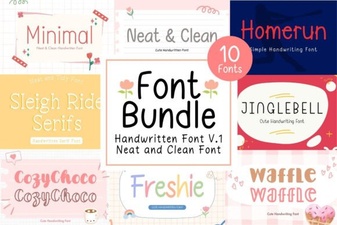 Neat & Clean Handwritten Fonts for Creative Projects
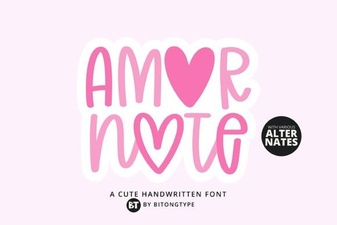 Amor Note Font: Elegant & Playful Design Inspiration
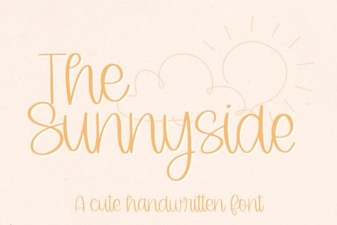 The Sunnyside Font: Playful & Versatile Design
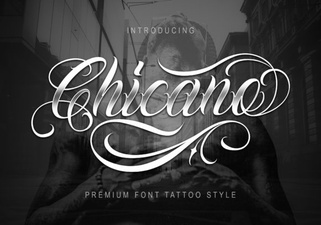 Chicano Font: Bold Design & Creative Typography
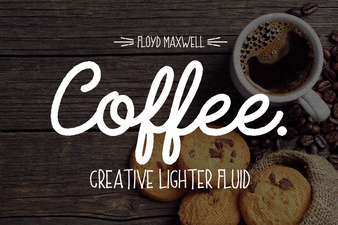 Coffee & Extras Font: Creative Design Toolkit
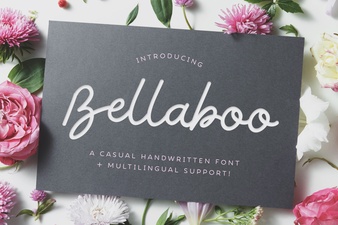 Bellaboo Font: Playful & Versatile Design Tool